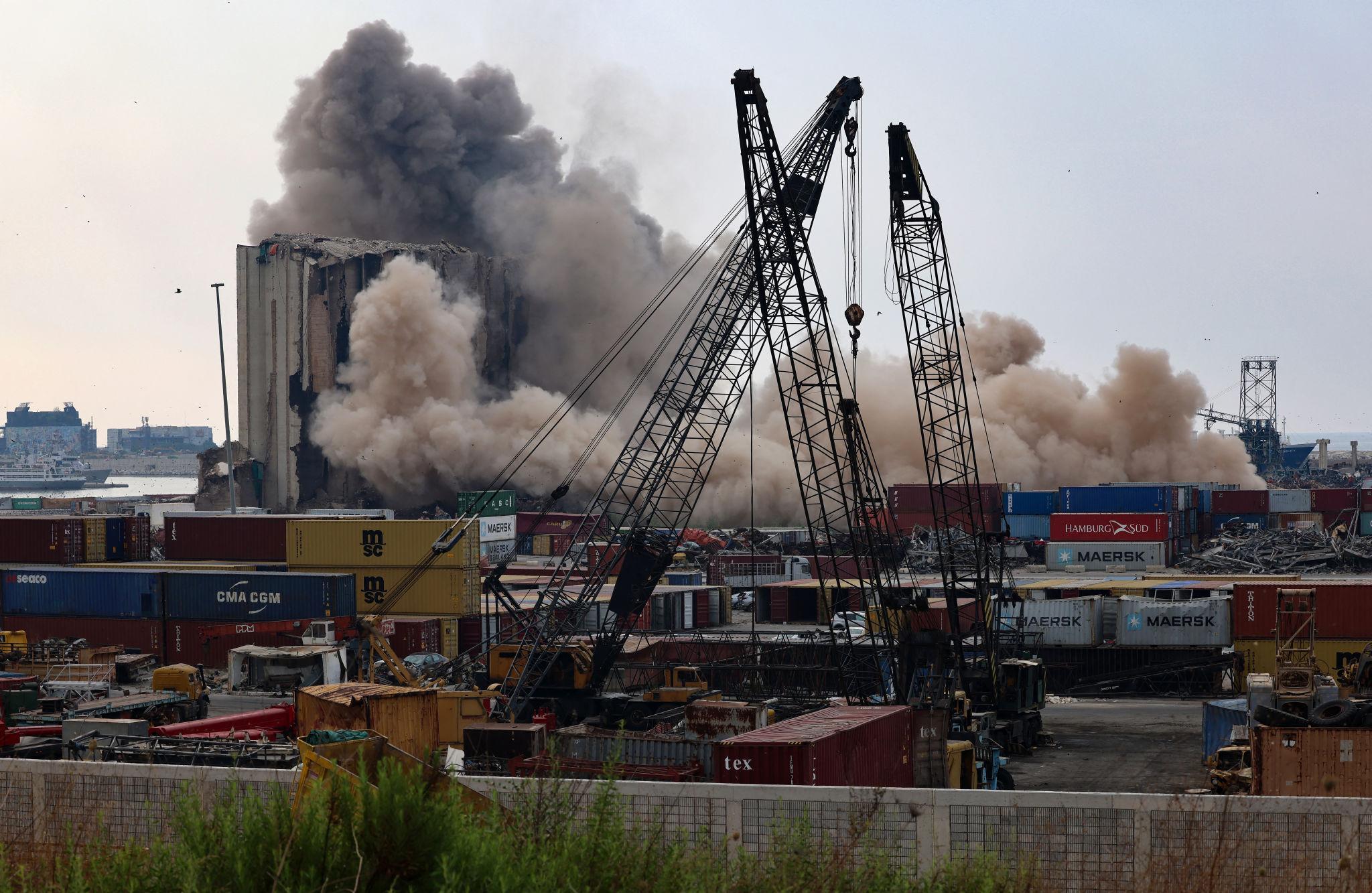
Type of Accident.
Massive chemical explosion: Detonation of approximately 2,750 tonnes of ammonium nitrate. Occurred inside Warehouse 12 at the Port of Beirut. The blast generated: A shockwave was felt over 200 km away. A mushroom cloud and near-supersonic pressure wave. Destruction equivalent to a large-scale industrial catastrophe.
Chemical Involved – Ammonium Nitrate Ammonium nitrate: a strong oxidiser. Stable under controlled conditions. Extremely dangerous when stored improperly, contaminated, or exposed to heat and confinement. Industrial uses include: Fertilizers. Mining and blasting agents. Chemical manufacturing. Key failure:
The chemical was stored for years without risk assessment, monitoring, segregation, or safety controls. Triggering Event On the day of the incident:
Welding and maintenance work was reportedly carried out near or inside the warehouse. A fire broke out inside Warehouse 12. Heat and confinement caused thermal decomposition of ammonium nitrate. This escalated into a catastrophic detonation. Lesson: Hot work near hazardous chemicals without permit control is a critical violation in any industrial environment.
Process Safety Failure: From a process safety perspective, Beirut reflects: Failure to identify a Major Accident Hazard (MAH). No hazard and operability study (HAZOP). No risk-based storage limits. No barrier management. In oil & gas or chemical plants, this would be equivalent to storing large volumes of hydrocarbons without fire protection, monitoring, or emergency planning.
Permit-to-Work and Control Failure. Although not a refinery, the same principles apply: Hot work is conducted near hazardous material. No formal permit-to-work system. No gas or chemical risk assessment. No supervision by competent safety personnel. Lesson: Permit systems are universal—ports, refineries, plants, and terminals all require them.
Regulatory and Authority Failure: Multiple authorities were aware of the stored ammonium nitrate and the port authority. Customs officials.
Judiciary and government agencies, and no decisive action was taken. No removal, neutralisation, or safe disposal occurred. Responsibility was repeatedly deferred. This represents systemic regulatory paralysis. Explosion and Escalation. When detonation occurred. Immediate destruction of port infrastructure. Massive overpressure collapsed buildings kilometres away. Secondary fires and structural failures followed. The scale of escalation demonstrates how stored chemical energy, when uncontrolled, becomes a city-level disaster. Fatalities and Injuries Human impact was devastating: Over 200 people were killed. More than 6,000 injured. Thousands permanently disabled. Hospitals were overwhelmed within minutes. Many fatalities were caused by blast overpressure. flying debris. structural collapse. This incident shows how industrial accidents can instantly become humanitarian disasters. Investigation Findings
Official investigations concluded: Gross negligence. Failure to act on known hazards. Absence of safety governance. Lack of accountability. The disaster was deemed preventable.
Breach of Laws, Standards, and Policies Violations included: Chemical storage regulations. Occupational safety principles. Fire safety codes. Environmental protection requirements. If this were an oil & gas facility, it would constitute multiple breaches of international standards, including risk management. Emergency preparedness. Hazard communication.
Production, Infrastructure, and Economic Damage Consequences included: Destruction of Beirut’s main port. Disruption of national imports and exports. Billions of dollars in damage. Collapse of commercial activity. For industry, this equals total asset loss and business interruption.